Used Truck Guide
Fuel Tanker Truck Buying Checklist: Capacity and Evidence
Buyer takeaway
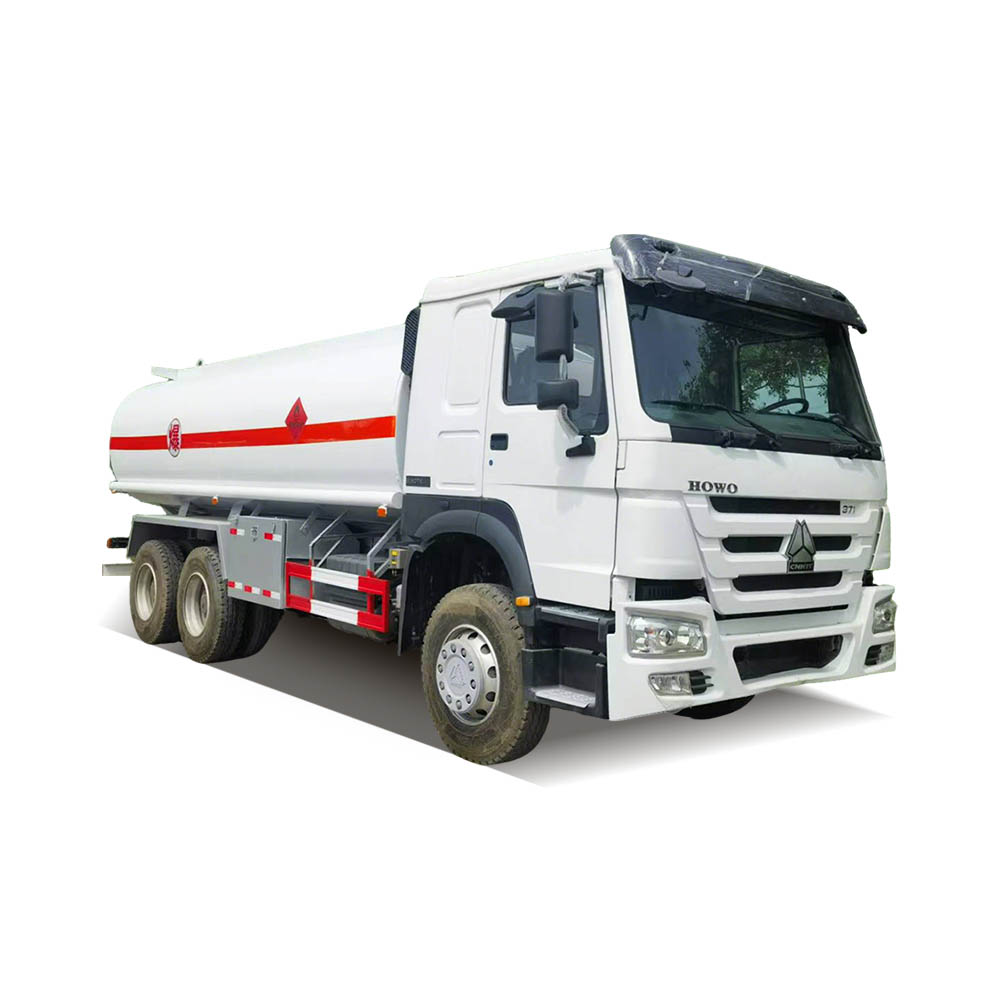
A fuel tanker purchase needs evidence for both the vehicle and the tank system. Start with the intended liquid and destination, then confirm working capacity, compartment layout, load allowance and the equipment required for the job. A tank volume or a HOWO model label cannot establish suitability for fuel transport. Use this checklist for new or used offers, with additional history and condition evidence for a used tank.
Prepared by Trinity Vehicles for overseas B2B truck buyers. Read our editorial policy and Used Truck Evidence Standard. Last reviewed: .
A tanker offer should answer these five questions
Ask for documented answers before comparing price. Missing evidence remains an open item, not an assumed pass.
| Decision checkpoint | Evidence to obtain | Who confirms it | Stop condition |
|---|---|---|---|
| What liquid and use? | Intended cargo, loading/discharge method and destination requirements confirmed for that use. | Buyer, tank specialist and local importer | The offer says only 'oil tanker' without identifying the intended service. |
| What working capacity? | Tank plate, capacity definition, compartment plan and complete-vehicle load assessment. | Tank supplier and fleet specialist | Nominal litres are being treated as permission to fill or carry that volume. |
| What equipment is included? | An itemised list identifying fitted pumping, metering, valves, hoses and other specified systems. | Seller and buyer's operating team | Required delivery equipment appears in a picture but is absent from the offer. |
| What is its condition? | Unit-linked chassis and tank inspection records, previous service where applicable, repairs and unresolved defects. | Qualified vehicle and tank inspectors | A used tank has unknown history or unresolved findings that prevent acceptance. |
| Can it be received and operated? | Destination eligibility and carrier acceptance for the actual vehicle and tank condition. | Importer, competent local adviser and forwarder | Shipping availability is being treated as operating approval. |
1. Specify the liquid before the tank material
Give the seller the intended cargo and working pattern, including whether the truck will transfer fuel to fixed storage or make metered deliveries. Ask the tank specialist to confirm material and system suitability for that service. Petrol, diesel, water and other liquids must not be treated as interchangeable merely because the body looks similar.
For a used tanker, request available previous-cargo, cleaning, repair and inspection records. Have a competent specialist assess any missing history or proposed change of service. A water truck should not be described as a fuel tanker without evidence for the complete configuration and destination requirements.
2. Define what 20,000 litres means in the quotation
A buyer searching for a 20,000-litre tanker should ask whether the number is nominal tank volume, compartment total or permitted working capacity. Request the tank identification plate and the supplier's capacity definition. Ask for a compartment drawing rather than assuming that a total volume describes how the tank is divided.
Have the fleet and tank specialists check the intended liquid, operating fill, complete-vehicle weight and axle distribution. Confirm the applicable chassis, tank, tire and route limits for the actual combination. This guide does not provide a permissible loading calculation; the purchase decision requires the unit's documented ratings and a qualified assessment.
3. Separate the tank from its delivery equipment
List the equipment needed for your work and ask the seller to identify what is fitted, what is optional and what is excluded. Depending on the confirmed design, the list may cover loading and discharge connections, pumping equipment, metering, hose storage, valves and specified safety systems. Do not infer equipment scope from a catalogue photograph.
Request component identities and the operating and service documents needed by your local team. Ask how parts, inspection and any required meter verification will be supported at destination. A pump demonstration does not establish the condition or suitability of every tank component.
4. Require separate vehicle and tank inspection records
The chassis needs the normal engine, transmission, frame, steering, braking and tire checks. The tank and fitted equipment need their own competent assessment, with the required records, test scope, limitations and unresolved defects tied to the same unit. Ask what repairs have already been completed and what work is only proposed.
Do not enter a tank or arrange improvised pressure, hot-work or fuel-system tests. HSE's maintenance guidance highlights the need for competent personnel, safe isolation and specialist precautions for vessels and hazardous contents. Inspection and preparation must follow the equipment instructions and applicable local requirements; this article is a procurement checklist, not an operating procedure.
5. Confirm the destination and shipment before accepting the offer
Provide the exact vehicle and tank records to your importer or qualified local adviser. Ask them to confirm import, registration and intended-use requirements. A general export description or a certificate with no clear link to the offered tank should not settle these questions. Record who checked each requirement and any remaining conditions.
The forwarder and carrier also need the actual dimensions, weight, running condition and tank condition for acceptance. Ask for the required preparation and documentation in writing before booking. Shipping an empty vehicle is a separate task from obtaining approval to carry fuel after arrival.
- Liquid, destination, required working volume and compartment arrangement
- New or used condition, exact chassis and tank identifiers
- Fitted equipment and optional items priced separately
- Current inspection findings, records, exclusions and acceptance criteria
- Written destination review and carrier acceptance requirements
Sources and scope
- Volvo Trucks: Tank and bulk transport
Manufacturer background on tank transport applications. The specifications of a particular Volvo vehicle are not specifications for a Trinity Vehicles reference model.
- HSE: Maintenance of work equipment
General safety background for competent maintenance, isolation and vessels. This UK guidance does not establish destination import or operating approval.
- Wallenius Wilhelmsen: Ocean customer support
Carrier guidance is a starting point for shipment preparation. Confirm acceptance and current requirements directly with the carrier selected for your route.
Related Products
Compare representative used tractor trucks, dump trucks and special trucks, then send your stock-specific requirements to our team.
View ProductsStill comparing specifications, inspection or delivery terms? Read the truck buying FAQ before sending your requirement.