Used Truck Guide
Used Truck Inspection in China: Pre-Purchase Checklist
Buyer takeaway
A pre-purchase used-truck inspection in China should identify the actual vehicle, record its condition against an agreed scope, list every untested item and define what must be repaired or accepted before shipment. Ask for a dated written report supported by unit-linked photos and operating evidence. A seller's video or a model listing alone is not an inspection report.
Prepared by Trinity Vehicles for overseas B2B truck buyers. Read our editorial policy and Used Truck Evidence Standard. Last reviewed: .
What the inspection report should deliver
Agree these outputs with the qualified inspector before booking. This is a procurement checklist, not a mechanical testing procedure or a promise that Trinity Vehicles has inspected a particular truck.
| Decision checkpoint | Evidence to obtain | Who confirms it | Stop condition |
|---|---|---|---|
| Identity and scope | Inspection date, location, inspector, truck identifiers, proposed use and agreed tests | Buyer and inspector | Report and offer refer to different units or the test scope is unclear. |
| Mechanical and chassis findings | Observed condition, test method, defects, supporting images and limits for each inspected system | Qualified vehicle inspector | An untested safety-critical system is recorded as a pass. |
| Body and working equipment | Component identity and separate findings for the coupling, dump body, mixer or other fitted equipment | Appropriately qualified specialist | A chassis-only report is used to approve unassessed equipment. |
| Repair and acceptance record | Each defect, agreed action, responsible party and final recheck result | Buyer, seller and inspector | Important defects remain open or completion evidence cannot be matched to the unit. |
1. Confirm the vehicle and its intended use
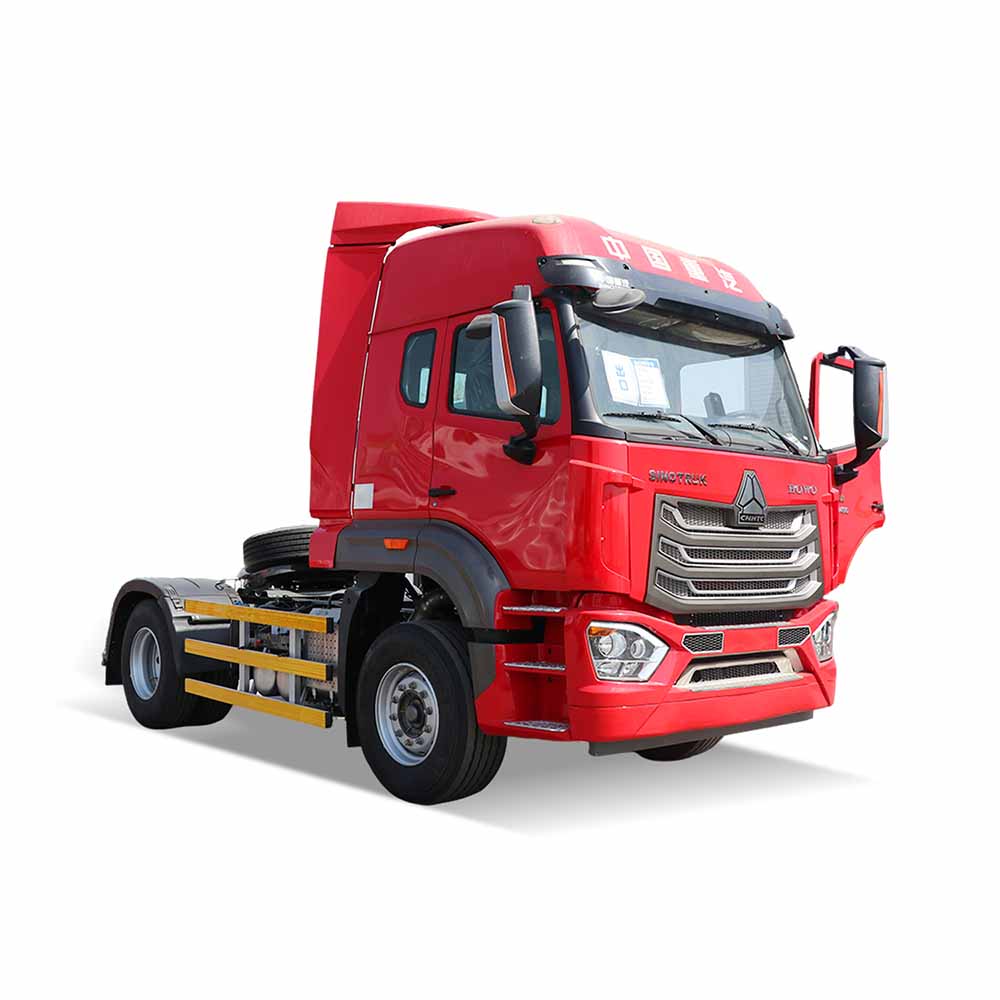
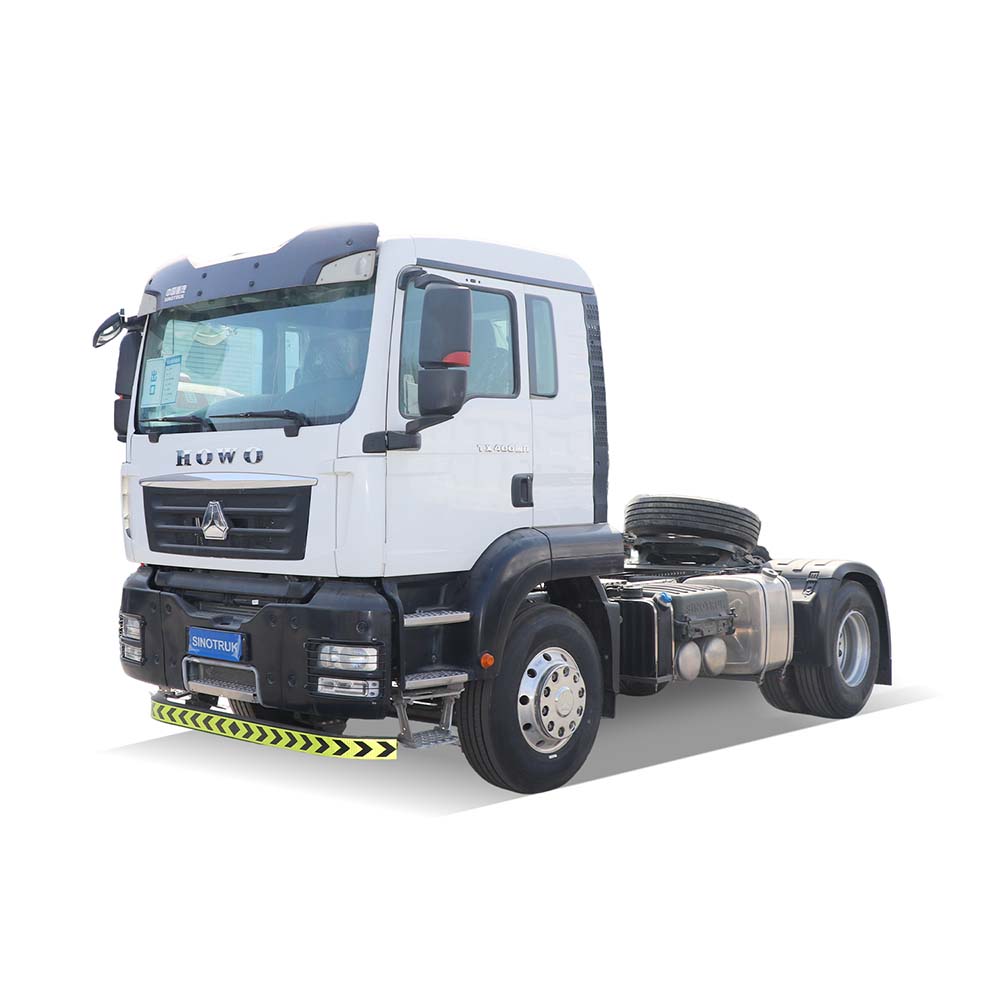
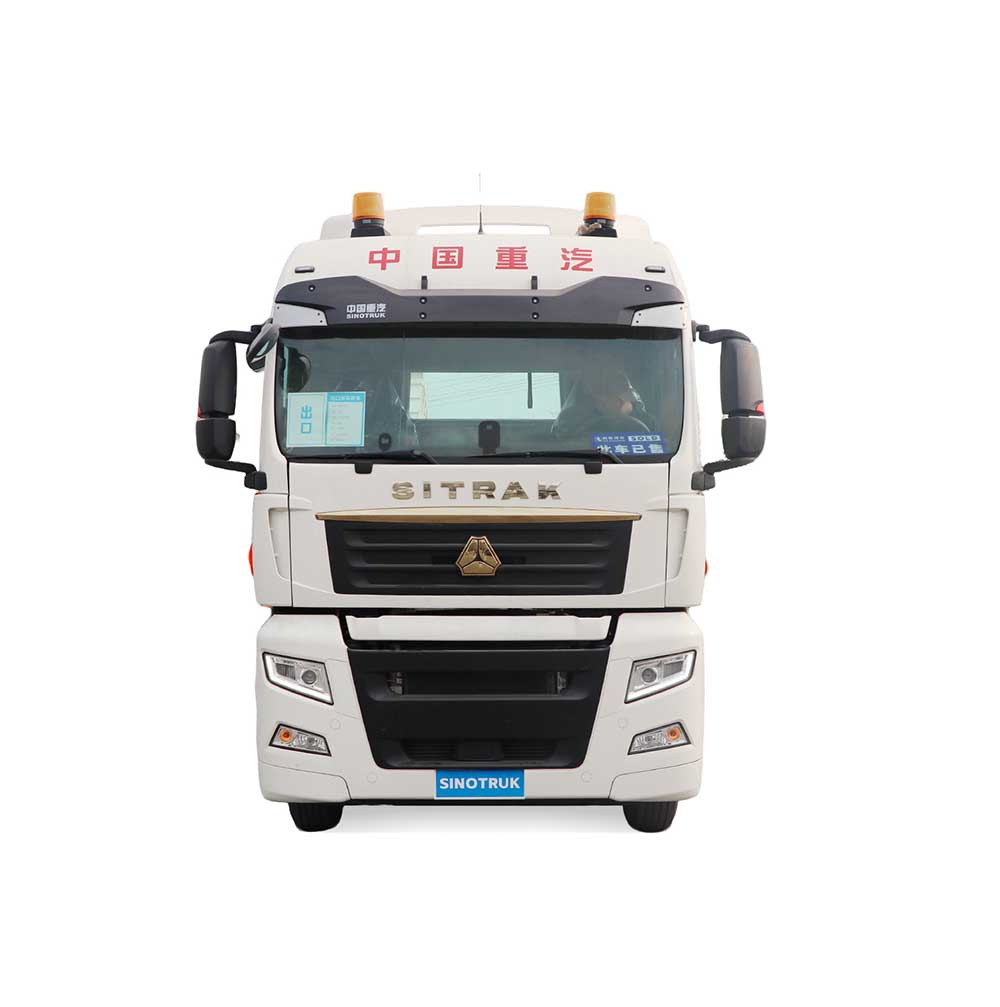
Start with the identifying information that may be shared, the model, configuration and the buyer's required job. Then record the current photos and video so the inspection report can be linked to the specific unit rather than to a representative listing.
Agree the inspection location, available records and whether a safe functional test can be conducted. Ask which items require a specialist or cannot be checked with the available access and equipment. Make the intended trailer, load, route and working body part of the brief so the inspection addresses the proposed purchase.
2. Check the core mechanical systems
The core review covers engine starting and running, gearbox shifting, axles, chassis, brakes, tires, cabin condition and electrical functions. Note any visible leaks, abnormal noise, damage or functions that need additional checking.
For tractor trucks, include the fifth wheel and trailer connections. For dump trucks, mixers and special trucks, inspect the hydraulics and the relevant working equipment separately.
The inspector should state the test conditions and limitations beside each finding. Record dashboard readings as observed readings, with the supporting history available; do not assume that a displayed mileage is independently verified. Ask for specialist follow-up on significant damage, repairs or inconsistent records.
- Current exterior, chassis and tire photos
- Engine and operating video
- Written findings for core systems
- Agreed repair or refurbishment scope
- Final pre-loading evidence
3. Separate a defect from an untested item
For every required check, ask the report to distinguish an observed finding, an identified defect and a test not completed. 'No problem visible in the supplied photo' is a different statement from a completed functional assessment. Keep the reason for any omitted test and the evidence needed to close it.
Do not conduct hazardous tests from this checklist. Running machinery, raised bodies, hydraulics and internal mixer access require competent personnel and suitable procedures. HSE's maintenance guidance explains why isolation and control of stored energy matter; use the actual equipment manual and applicable site requirements.
4. Turn findings into a written repair scope
List each agreed repair or replacement separately with the responsible party, included parts, completion evidence and acceptance checkpoint. Keep cosmetic preparation apart from mechanical work. If work changes the offered configuration, have the buyer review the revised specification and any implications before accepting it.
Ask the inspector or responsible specialist to recheck material repairs under the agreed scope. A photograph of a new part does not demonstrate every required function. Preserve unresolved findings in the decision file so they cannot disappear when the truck is cleaned or repainted.
5. Match final evidence to the truck before loading
Compare the final identifiers, photos, inspection findings and completed-work record with the original offer. Record the date and condition at handover, along with any accepted limitations. Confirm that the transport and destination teams have the agreed vehicle information and documents for that same unit.
The buyer decides whether the evidence supports acceptance or whether another check is needed. Inspection findings do not establish destination import eligibility, future service life or a warranty; those questions need their own documented scope. Keep the report, quotation, repair record and shipment documents together for later reference.
Sources and scope
- HSE: Maintenance of work equipment
General guidance on competent maintenance, safe isolation and stored energy. This buyer checklist does not replace vehicle-specific service procedures or a qualified inspection.
Related Products
Compare representative used tractor trucks, dump trucks and special trucks, then send your stock-specific requirements to our team.
View ProductsStill comparing specifications, inspection or delivery terms? Read the truck buying FAQ before sending your requirement.