Used Truck Guide
Used Truck Refurbishment Before Export: What to Agree
Buyer takeaway
Refurbishment should follow the inspection and the buyer's work requirements. It is most effective when each repair, replacement or cosmetic item is agreed against the actual vehicle before loading.
Prepared by Trinity Vehicles for overseas B2B truck buyers. Read our editorial policy and Used Truck Evidence Standard. Last reviewed: .
1. Start with inspection findings
Use the current-unit inspection to separate practical maintenance and safety-related work from appearance work. Engine, fluid lines, brakes, tires, lights, chassis and working equipment should be considered according to the truck type and agreed condition range.
2. Define the scope clearly
A useful scope lists the work item, whether a part is repaired or replaced, the expected evidence and any limits. Cleaning and repainting may improve presentation, but they should not be described as a substitute for mechanical inspection.
The buyer can prioritize budget, standard or higher-spec preparation, provided the scope remains specific to the selected unit.
3. Review before loading
Request final photos and video after agreed work is complete, then compare them with the inspection record and purchase scope. Confirm the loading plan and commercial documents only after the buyer's destination-side requirements are clear.
Related Products
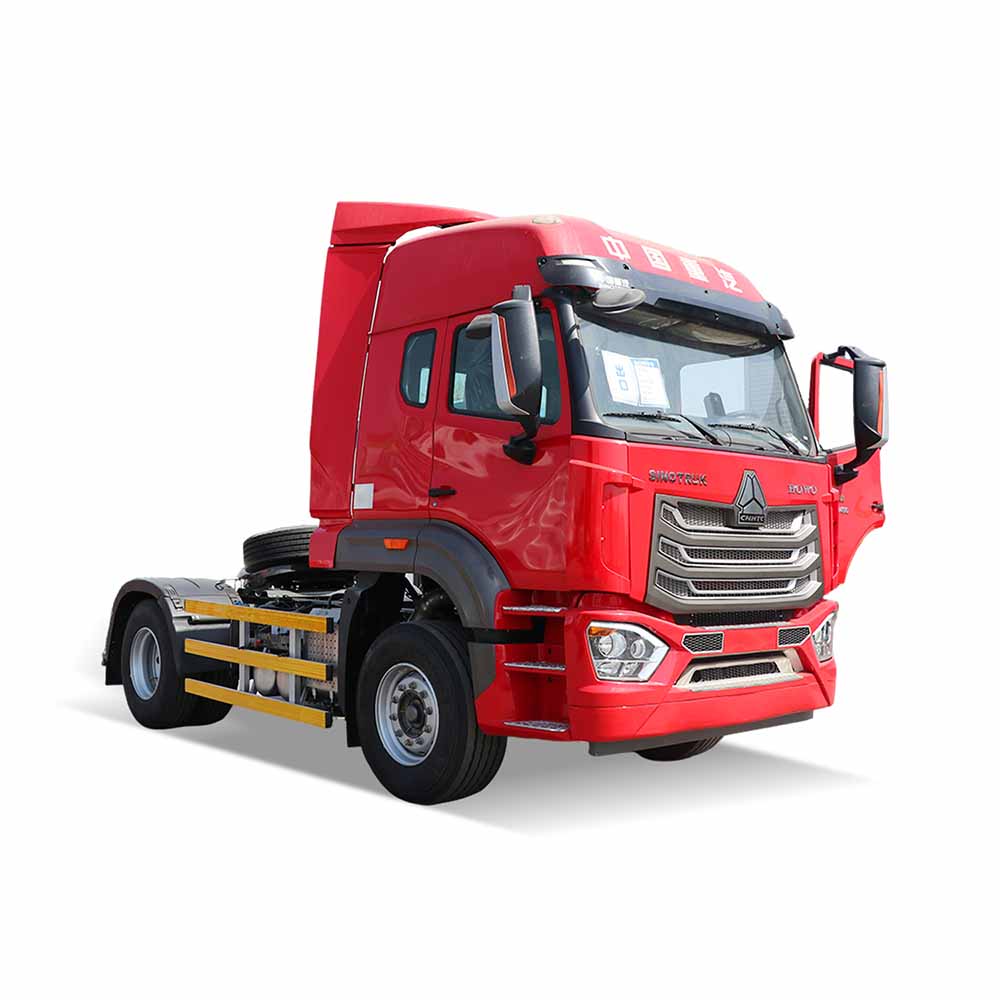
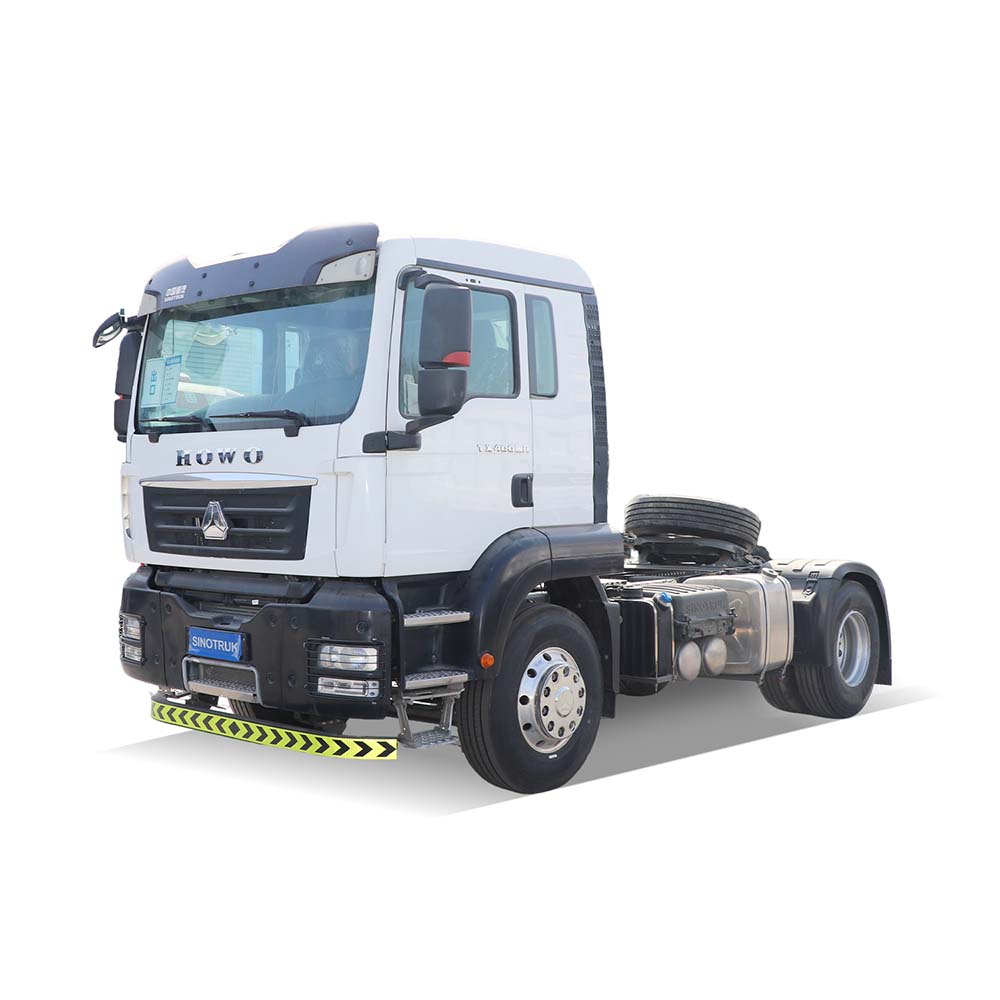
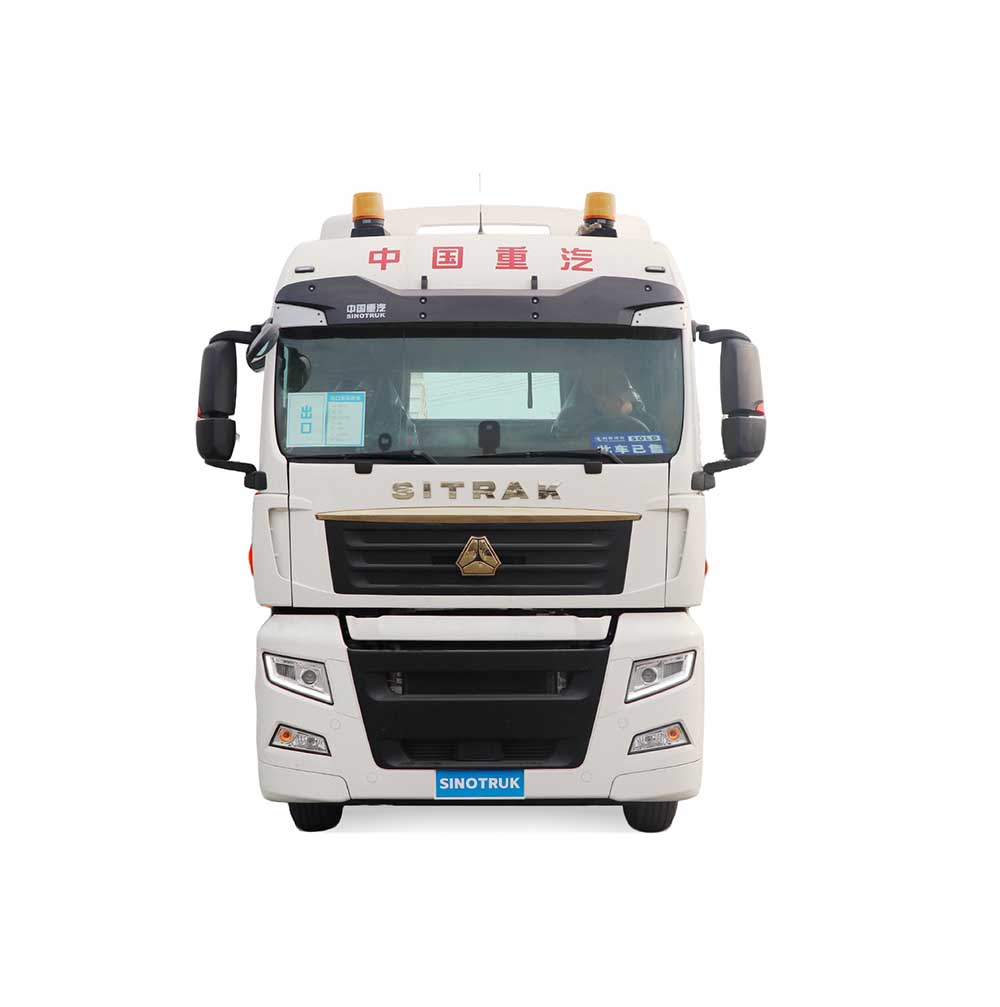
Compare representative used tractor trucks, dump trucks and special trucks, then send your stock-specific requirements to our team.
View ProductsStill comparing specifications, inspection or delivery terms? Read the truck buying FAQ before sending your requirement.